New Trends in the Anti-Counterfeiting Industry in 2026: Deep Integration of Physical Anti-Counterfeiting and Digital Traceability Reshapes the Brand Anti-Piracy Ecosystem
Date:2026-06-27 Source: Huaxin Anti Counterfeiting
With the continuous tightening of market supervision and the regularisation of national anti-counterfeiting campaigns, profound changes are taking place across the anti-counterfeiting sector. For high-value goods prone to counterfeiting, including alcoholic beverages, foodstuffs, cosmetics, auto parts and export commodities, brand owners are upgrading their demands for anti-counterfeiting packaging structurally, shifting from passive compliance to proactive value creation. In the past, many brands relied on ordinary single-layer laser stickers. Such products have low technical barriers and can be mass-produced by small workshops, so they can no longer curb rampant counterfeiting and are quickly phased out of the mainstream market.
Industry pain points drive technological upgrading: from superficial protection to full-chain control
Traditional packaging anti-counterfeiting measures only provide superficial protection. They are vulnerable to physical duplication and fail to track the whole journey of products in production, circulation and sales, making it hard to eradicate channel problems such as parallel trading and price disorder. Against the market backdrop of 2026, anti-counterfeiting is no longer merely a cost item. It has become a core digital tool for brand supply chain management, channel regulation and consumer operation. Young consumers of Generation Z regard scanning codes for authenticity checks as a basic consumption habit, which further pushes anti-counterfeiting technology to evolve from a pure anti-piracy function into a combination of anti-counterfeiting, marketing and data asset management.
Composite anti-counterfeiting becomes the industry standard: dual protection via physical barriers plus digital identity
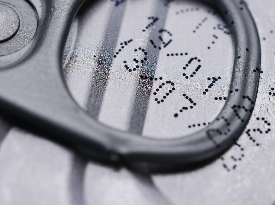
Nowadays, mainstream industrial solutions have fully adopted the composite model of "physical anti-counterfeiting plus digital traceability". On the physical side, technologies such as laser holographic patterns, micro-text, ultraviolet fluorescent hidden codes and special inks build visual and tactile barriers that are extremely hard to replicate. On the digital side, the one-item-one-code technology assigns each product a unique, tamper-proof digital ID. This dual verification system enables consumers to check authenticity conveniently by scanning codes. Meanwhile, it allows brands to monitor product logistics in real time on the back end, crack down on cross-regional parallel trading accurately, and realise the shift from authenticity verification to full-lifecycle commodity management.
Huaxin Anti-Counterfeiting’s winning strategy: upgraded craftsmanship and one-stop services
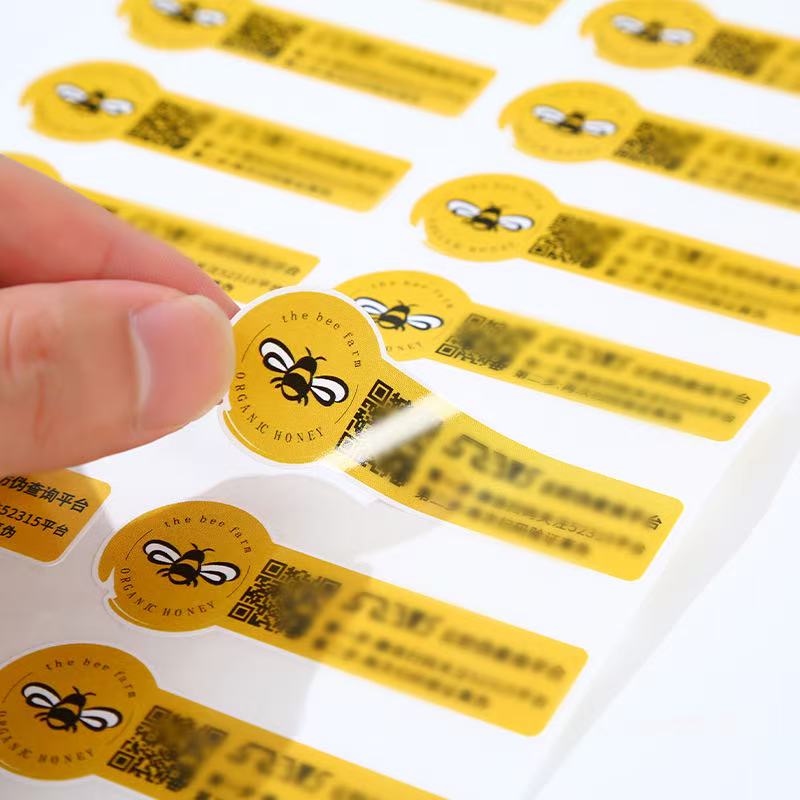
Keeping up with the industrial trend, Shenzhen Huaxin Anti-Counterfeiting continues to integrate advanced anti-counterfeiting craftsmanship with digital systems. In physical anti-counterfeiting, the company upgrades high-end processes including aluminium wash hollowing, VOID tamper-evident labels and peel-off layered structures. The labels will be irreparably damaged once peeled off, fundamentally stopping counterfeiters from reusing old packages and reattaching labels. In digital empowerment, Huaxin Anti-Counterfeiting has developed a mature traceability system that seamlessly connects anti-counterfeiting labels with clients’ ERP and channel management systems. We deliver a full one-stop solution covering label design, production and data operation, integrating anti-counterfeiting, traceability and anti-parallel-trading into one system.

Future Outlook: High-threshold anti-counterfeiting builds a solid moat for brands
In the coming years, low-cost and simple anti-counterfeiting stickers will be eliminated from the market rapidly, while high-threshold, high-value composite anti-counterfeiting labels will become the first choice for mid-to-high-end brands. Competition in anti-counterfeiting technology has evolved from a contest of raw materials to an all-round ecological competition covering hardware manufacturing, software services and data analysis. For brands, only by choosing service providers with sustained innovation capacity and continuously raising anti-counterfeiting barriers can they set up solid defences. This is not only essential for protecting intellectual property rights and maintaining market order, but also a core strategy to safeguard accumulated customer trust and achieve high-quality growth amid fierce stock market competition.