Date:2026-01-07 Source: Huaxin Anti Counterfeiting
In the current situation where counterfeiting and substandard products still exist and the demand for brand anti-counterfeiting continues to rise, double-layer anti-counterfeiting labels have become the preferred solution for many industries. Among them, Huaxin's double-layer sticker anti-counterfeiting self-adhesive product stands out with its precise scene adaptability in the market, while the double-layer floating anti-counterfeiting label stands out with its unique dynamic effect. This article will focus on these two core products and conduct a comprehensive and in-depth analysis to explore the anti-counterfeiting logic and application value behind them.
Technical analysis: How the double-layer structure builds the anti-counterfeiting barrier
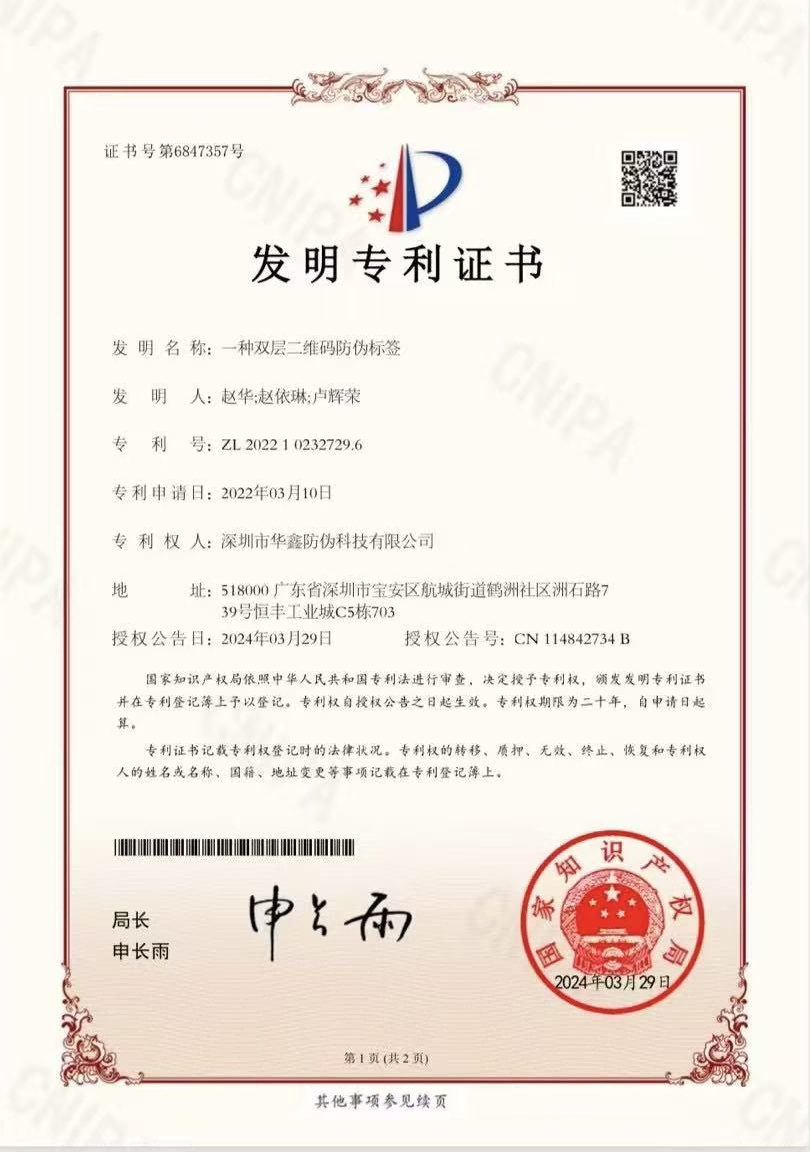
"The double-layer QR code anti-counterfeiting label" is an invention patent of Shenzhen Huaxin Anti-counterfeiting Technology Co., Ltd. This patent was submitted for application on March 10, 2022, and was officially authorized by the National Intellectual Property Administration on March 29, 2024. The patent number is ZL202210232729.6. This invention significantly enhances the security performance of the anti-counterfeiting label through a dual-layer identification mechanism and unique physical structure design.
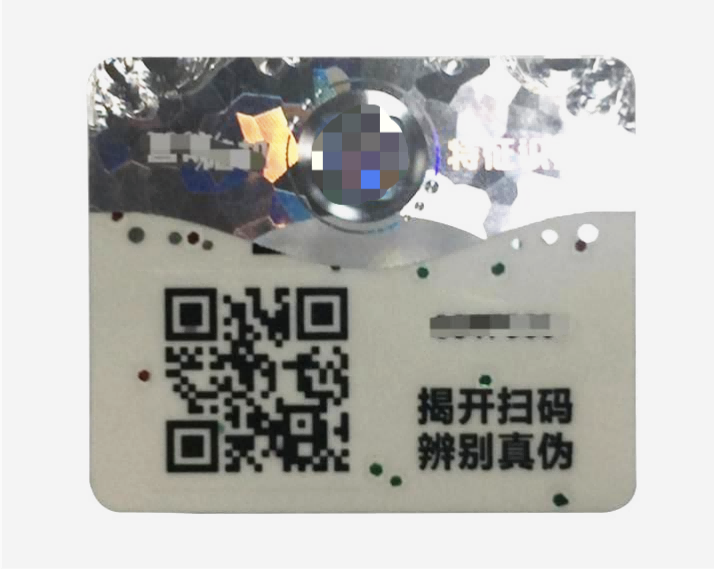
I. Double-layer Label Anti-counterfeiting Self-adhesive
1. It adopts a "surface + base layer" composite structure design. The core technology lies in the multi-layer verification mechanism:
Surface layer: Printed with basic anti-counterfeiting identifiers (such as the company logo, dynamic QR code) and verification instructions. Consumers can complete the initial identification through scanning or visual comparison. The surface layer QR code uses the "one item, one code" technology, which is linked to the blockchain database to ensure the data cannot be tampered with.
Base layer: Hidden with high-density anti-counterfeiting information through special processes, such as ultraviolet fluorescent patterns, microtexts, and encrypted codes. The base layer label uses irreversible adhesives. Once the label is peeled off, it will be damaged and cannot be restored, effectively preventing the reuse of the label.
2. Core advantages
It can be summarized as "anti-transfer, difficult to copy, and multi-functional" features:
Strong anti-transfer: Adopting the "one-peel, one-damage" irreversible adhesive design, the surface layer and base layer are fixed through special processes. Once the surface layer is peeled off, the base layer will be attached to the surface of the product and cannot be restored, completely eliminating the possibility of label reuse.
Difficult to copy: Through the dual verification mechanism of "surface layer clear code + base layer hidden code", even if the imitator copies the surface layer clear code, they cannot obtain the unique hidden code of the base layer, effectively solving the problem of traditional single-layer QR codes being easily copied.
Multi-functional scalability: The double-layer structure provides a larger information carrying space for the label. Besides the core anti-counterfeiting function, it can also integrate traceability, anti-stealing, intelligent marketing and other functions, upgrading the label from a "single anti-counterfeiting tool" to a "bridge for brand and consumers' interaction".
.png "图片2(1).png")
II. Double-layer Floating Anti-counterfeiting Mark
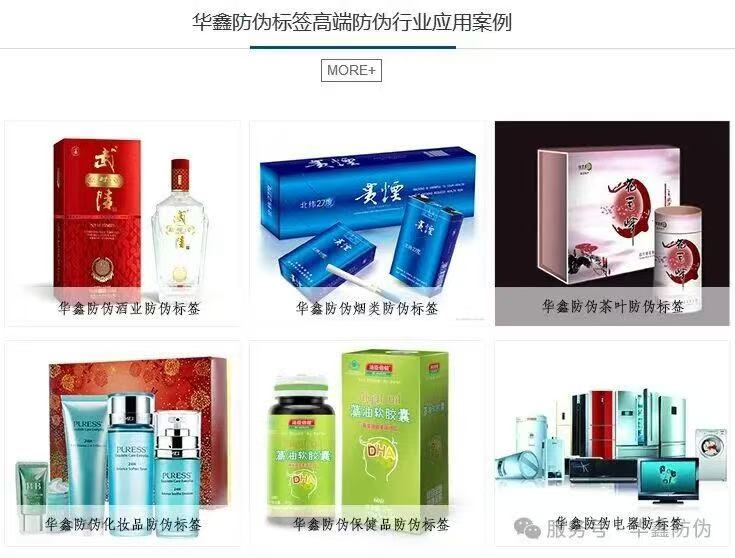
The double-layer floating anti-counterfeiting mark is a high-end anti-counterfeiting product that combines a double-layer structure with dynamic visual effects. It is centered around the unique "floating" optical characteristics and double-layer protective structure, forming a physical and digital dual anti-counterfeiting barrier. It is one of the mainstream anti-counterfeiting choices in the high-end industries such as alcohol and luxury goods.
1. Double-layer Physical Structure
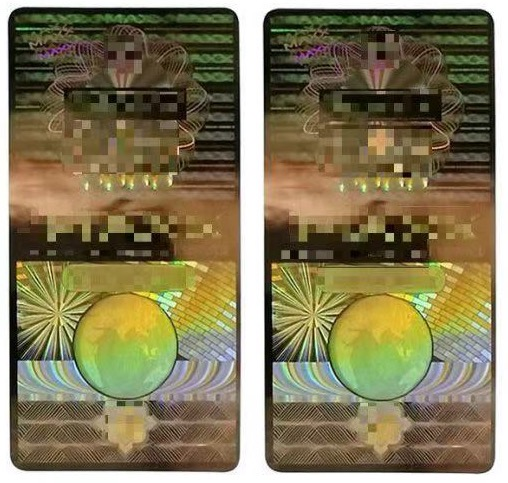
Outer Layer: Utilizing special transparent substrates, combined with optical color-changing inks, microtexts, laser holograms, etc., it prints brand logos, basic anti-counterfeiting patterns, and verification instructions, forming the first visual anti-counterfeiting line. The "floating" effect on the outer layer surface is achieved through grating microstructures or stereolithography technology. When the viewing angle changes, the patterns will present a dynamic switching visual effect, which can be directly recognized by the naked eye.
Inner Layer: Hidden beneath the outer layer, it carries core anti-counterfeiting information such as dynamic encryption codes and exclusive QR codes. Some products may also incorporate RFID chips. The inner layer information needs to be revealed by removing the outer layer, scanned for verification, or read by dedicated equipment, forming the second data anti-counterfeiting system.
2. Core Technology and Advantages
Using floating optical technology, by setting micro-nano-level optical layers between the double-layer substrates, using the principles of refraction and interference, specific patterns will exhibit "floating" and "moving" dynamic effects under different viewing angles. This effect is difficult to replicate through ordinary printing. It is a core feature that distinguishes it from ordinary double-layer labels.
High anti-counterfeiting resistance: The double-layer structure combined with the floating optical effect not only makes it difficult for counterfeiters to replicate the dynamic visual features of the outer layer, but also requires the decryption of the exclusive verification system for the inner layer's encrypted information. The technical threshold and counterfeiting cost are extremely high. At the same time, when the label is removed, irreversible traces will appear, completely preventing reuse.
Dual verification experience: Consumers can quickly preliminarily check through the floating visual effect on the outer layer, and then conduct precise verification by scanning the inner layer QR code, entering a password, etc.
Strong information carrying capacity: The double-layer design can separately carry brand promotion, product information, anti-counterfeiting verification, traceability data, and other different contents.
III. Cooperation Assurance: Authoritative Certification and Global Services
1. Technical Barriers: Patent Matrix Builds a Fortress
Process Innovation: Possessing 40 patent technologies such as "Ultra-Miniature Positioning Hollowing" and "Multi-Wavelength Laser Color-Changing Metal Lines".
Standard Setting: As a participating unit in the national standard "Requirements for Confidential Anti-Counterfeiting Tickets and Certificates", leading industry technical specifications to ensure service compliance and forward-looking nature.
2. Global Services: Cross-border Certification and Localization Adaptation
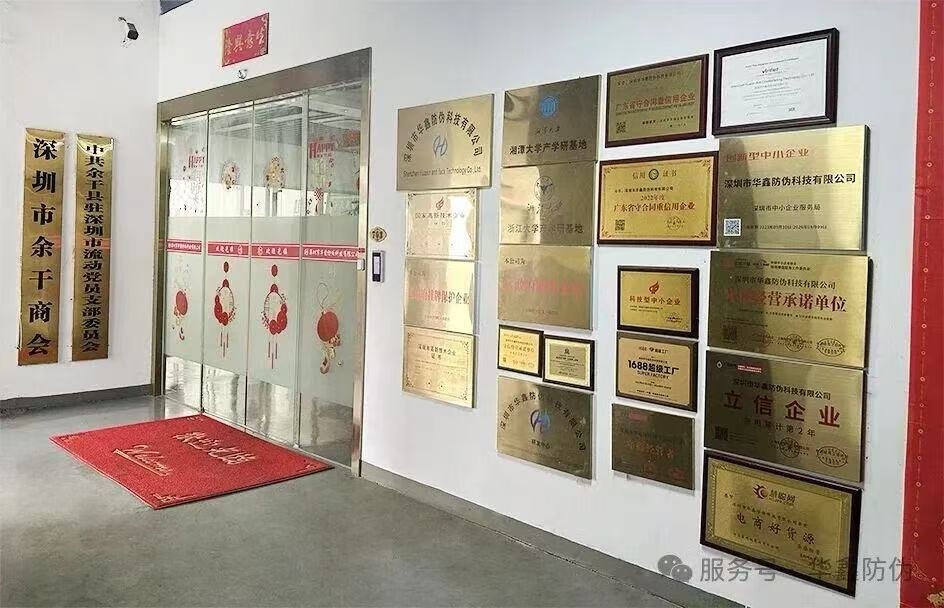
Qualification Certification: Obtained ISO14298, ISO9001 series, ROHS, and SGS quality management system certifications. Products cover more than 30 countries including Europe, America, and Southeast Asia.
Customized Solutions: For different market regulations (such as the anti-counterfeiting standards of the South Sudan Ministry of Justice), providing end-to-end solutions from "design - production - logistics" to ensure compliance implementation.

If you need custom double-layer label anti-counterfeiting self-adhesive stickers and double-layer floating anti-counterfeiting labels, Shenzhen Huaxin Anti-counterfeiting Technology Co., Ltd. might be a good choice. Huaxin Anti-counterfeiting will rely on precise techniques and advanced technologies to continuously provide brands with solutions that combine anti-counterfeiting, functionality and brand value enhancement.